Advertisement
Advertisement
Home Blog Page 69

Daily Synopsis: Feb 16, 2026 – Sustainability and Experiential Growth

[Note to Readers: Retail Insider is updating its format, Canadian Retail News from Around the Web is at the bottom of this article]

Here’s what stood out in Friday’s Retail Insider coverage: Toronto-based chocolatier Aline Nasseh has successfully leveraged a seasonal pop-up at at Holt Renfrew Yorkdale to expand its luxury brand presence with customizable bonbons, illustrating a scalable model for specialty brands aiming to access premium retail spaces without heavy overhead. Meanwhile, Montreal’s Leyad solidified its foothold in the Prairie provinces by acquiring Winnipeg’s St. Vital Centre for $160.5 million, positioning itself to capitalize on the mall’s strong tenant mix and community relevance including an anticipated Uniqlo. These moves underscore how physical retail continues to blend local experiential appeal with strategic real estate acquisitions that promise long-term value.


The focus on sustainability and innovative consumer engagement also emerged. Los Angeles underwear brand KENT aims to grow its Canadian wholesale footprint, emphasizing eco-friendly, compostable apparel that appeals to health-conscious consumers despite tariff challenges. Parallel to this, Winnipeg’s Kildonan Place announced a $30-million redevelopment spotlighting a new zero waste food court designed to elevate sustainability and customer experience.

The Day’s Article List


Canadian Retail News From Around the Web:

Eddie Bauer sets March 12 deadline to use gift cards (CTV)

Toys ‘R’ Us Canada gets extended creditor reprieve, eyes further closures (Global)

Toys ‘R’ Us Canada stopped accepting gift cards after Monday (CTV)

Will This Canadian Menswear Retailer Change the Game in 2026? (re: HANK: Fashion Magazine)

Toronto’s struggling suburban malls bet big on condo developments. Can they survive the crash? (Toronto Star)

Canada grocery bills are topping $1,200 a month for many families (oalep.ca)

Sales of Ontario wines have ‘skyrocketed’ since LCBO pulled U.S. booze from stores: officials (CBC)

Made in Canada Grocery Store Guide (Made in CA)

Grace O’Malley’s Faces Termination Notice as Building’s Condo Future Looms (6ix Retail)

Canada’s Grocers Turn to AI, Shoppers to Pay [Op-Ed]

Bakery department in a Loblaws store. Photo: Loblaw

Artificial intelligence in is poised to become one of the most consequential grocery stories of the year — not because it is new, but because its presence is becoming visible to consumers. AI has long been embedded in grocery operations, optimizing logistics, inventory management, demand forecasting, shrink reduction, and supply-chain coordination. What is changing now is its direct interface with consumers. Grocers are beginning to explicitly deploy AI-enhanced platforms to personalize shopping experiences, recommend products, and potentially shape purchasing behaviour in real time.

Loblaw’s recent partnership with ChatGPT is notable for two reasons. First, Loblaw historically develops most capabilities internally and rarely relies on high-profile external technology partnerships. This suggests that the infrastructure required for consumer-facing AI may exceed what even large retailers can efficiently build alone. Second, Loblaw chose to publicize the partnership. It is unlikely that other grocers have not been experimenting with similar tools; Loblaw is simply the first to formalize and communicate the move. Others will likely follow.

The economic and social implications, however, remain uncertain. Canadian grocers operate under heightened scrutiny following past controversies, including the bread price-fixing case. In that context, AI deployment risks being perceived as a “ghost in the machine”—a tool capable of learning from consumers and potentially extracting greater margins over time.

Of particular concern is algorithmic or personalized pricing. While dynamic pricing is well established in airlines and hospitality, food is not a discretionary luxury—it is a necessity. If consumers perceive differential pricing for staple items such as bananas, beef, or bread based on behavioural data, the backlash could be severe. Food markets are deeply tied to equity, food security, and public trust.

Data privacy presents an additional layer of risk. Retailers have already experienced cybersecurity breaches. AI systems rely on large volumes of consumer data; any misuse or vulnerability would amplify reputational and regulatory consequences.

The broader issue is institutional trust. The social contract between grocers and consumers is already fragile, in part because retailers do not disaggregate food financials in a way that satisfies public demand for transparency. Introducing AI into the consumer interface without clear safeguards, pricing assurances, and transparency frameworks could intensify existing concerns.

AI can absolutely improve efficiency, reduce waste, and enhance consumer convenience. But in food retailing, optics matter as much as algorithms. Without careful governance and clear communication, what is designed as innovation could quickly be interpreted as exploitation.

More from Retail Insider:
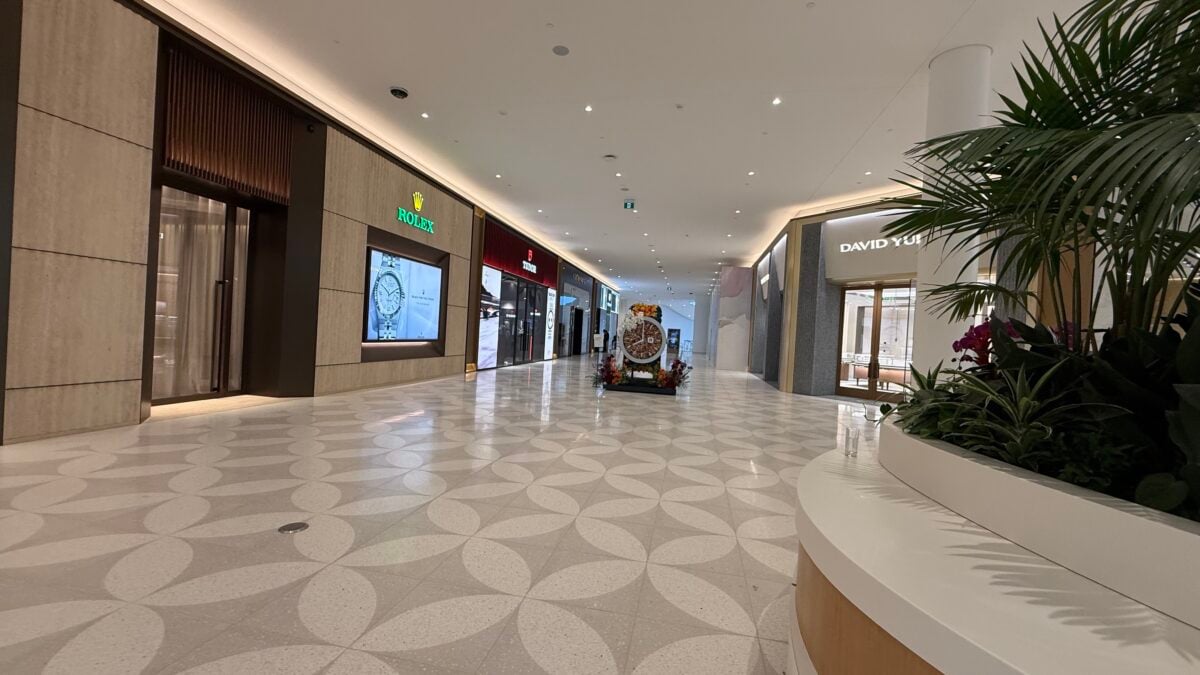
Aline Nasseh Chocolates Pop Up at Holt Renfrew

Holt Renfrew Yorkdale. Photo: GHD Partners

Toronto-based Aline Nasseh Artisan Chocolates has opened a seasonal pop-up at Holt Renfrew Yorkdale, introducing its hand-painted bonbons to a luxury retail audience ahead of Valentine’s Day. The pop-up runs through February 22 and features the brand’s signature artisanal chocolates along with a limited-edition Valentine’s collection.

The activation places the young Toronto chocolatier inside Canada’s most prominent luxury department store. For a brand launched only a few years ago, the placement signals growing recognition and an opportunity to reach new customers.

“Holt Renfrew is proud to provide space to local brands who amplify our connection to the community while bringing additional uniqueness to our product selection,” said Robert Bunka, Divisional Vice President and General Manager at Holt Renfrew Yorkdale.

Photo: Aline Nasseh Artisan Chocolates
 

Persistence Leads to a Yorkdale Opportunity

Founder Aline Nasseh said the opportunity came after repeated visits to the store and a determination to connect with the right person. After sharing samples with the store team, Holt Renfrew proposed a Valentine’s activation rather than a Christmas placement.

“They explained that the holiday season was already very busy, so they suggested doing something for Valentine’s Day instead. I thought it was a great idea,” Nasseh said.

She said the pop-up has performed better than expected, even during the slower post-holiday period.

“The response has been amazing,” she said. “January is usually a quieter time after the holidays, so I was not expecting strong sales. But the bonbons have been a very good fit for the store.”

Sales held steady even during early winter storms.

“We had a snowstorm in the first week, but the sales were still strong. The team at the store was pleasantly surprised,” she said.

Traffic has increased as Valentine’s Day approaches, a peak period for premium chocolate.


A Gift-Driven Luxury Environment

Nasseh said Holt Renfrew’s customer base aligns closely with her target market. The brand is positioned as a luxury gifting product rather than an everyday purchase.

“Our chocolates are a luxury item, and that means they are not for every day,” she said. “They are meant to be special gifts or indulgences.”

Inside the department store, many customers arrive looking for inspiration.

“Many customers come in without a specific item in mind. They are simply looking for a gift. When they see the chocolates, they are drawn to the presentation and decide it is the perfect option,” she said.

A key feature of the pop-up is the ability for customers to create their own assortments from more than 20 flavours.

“We offer more than 20 flavours, and customers can choose exactly what they want,” Nasseh said. “It becomes part of the experience because they are involved in building their own box.”

The interactive approach mirrors the brand’s e-commerce platform, where customers can also build custom assortments online.

Aline Nasseh Artisan Chocolates pop-up at Yorkdale.

A Young Brand Growing Through Events and Direct Sales

Aline Nasseh Artisan Chocolates was founded in 2022. The business began in a rented kitchen and initially sold through markets and seasonal activations.

“I started by producing chocolates in a rented kitchen and selling at markets,” Nasseh said. “It was a way to test the concept and introduce the brand.”

As corporate and wedding orders increased, the company shifted to a dedicated production facility in North York in 2023.

“We eventually moved into our own production space because the demand was growing, especially for corporate and event orders,” she said.

Participation in the One of a Kind Show helped raise awareness.

“That was our first major exposure. Very few people knew the brand at that point, and after the show we started to see real growth,” she said.

Today, the brand sells primarily through direct channels, corporate gifting, events, and online orders with Canada-wide shipping.

Pop-Up Model Lowers Barriers to Luxury Retail

The Holt Renfrew pop-up structure provides a relatively accessible entry point for emerging brands. Nasseh said the arrangement involves a customized cart and a percentage of sales rather than a traditional lease.

“We pay to customize the cart, and then Holt Renfrew takes a percentage of the sales. There is no traditional rent,” she said.

She described the model as an effective way for smaller brands to enter premium retail environments.

“If we had to pay full rent in a location like that, it would be very difficult. This kind of opportunity makes it possible for small businesses to be present in a luxury environment,” she said.

The Yorkdale location also works from a logistics standpoint. The store is close to the company’s North York production facility, making it easier to manage inventory and staffing.

“It is only about 15 minutes away without traffic, so it is very convenient,” Nasseh said.

Aline Nasseh Artisan Chocolates

Future Pop-Ups and Measured Growth

Discussions are already underway about returning to Holt Renfrew Yorkdale for another activation, possibly around Mother’s Day.

“The team told us they would like to have us back, so we are discussing the possibility of returning for Mother’s Day,” Nasseh said.

While the brand is growing, she said the company is taking a cautious approach to expansion and is not rushing into permanent retail.

“Maybe in three to five years we could consider our own store, but for now we want to continue growing step by step,” she said.

Focused on Perfecting a Signature Product

Rather than diversifying into multiple categories, Nasseh is concentrating on refining her core product.

“My goal is to create the best bonbons in Canada,” she said. “I would rather focus on one product and make it exceptional than try to do too many things at once.”

She believes a focused approach is key to long-term success.

“If you try to make too many products, none of them may be strong enough. If you do one thing very well, that can be enough,” she said.

More from Retail Insider:
From The Desk: Canadian Retail Navigates AI Shifts and Operational Pressures

Mid-February’s retail landscape reveals a sector at the crossroads of technological innovation and strategic realignment. The week brings forward initiatives that embrace advanced AI applications, such as Loblaw’s pioneering integration of grocery shopping within ChatGPT, signaling a shift toward conversational commerce. Concurrently, traditional retail players are wrestling with profitability pressures and operational challenges, reflected in store closures and leadership reshuffling, against a backdrop of changing consumer spending and workforce dynamics.

Alongside these developments, the industry also faces continuing headwinds from labour shortages and inflation, underscoring a persistent need for adaptation and supportive measures across the retail ecosystem. As Valentine’s Day approaches on a Saturday for the first time in years, elevated consumer spending in dining and gift sectors offers a seasonal boost that will test retailers’ strategies focused on engagement and efficiency.


Retailer News

The retail sector is witnessing a compelling blend of innovation and cautious restructuring this week. Loblaw’s launch of an AI-powered grocery shopping app within ChatGPT exemplifies the cutting edge of technology adoption in Canadian grocery retail, allowing customers to plan meals and order products conversationally while maintaining control of checkout and fulfillment. This positions Loblaw as a clear leader in leveraging AI for enhanced customer engagement.

Meanwhile, Alimentation Couche-Tard detailed its “Core + More” growth strategy, prioritizing operational excellence in fuel, nicotine, and beverage cores while cautiously expanding into food, media, car wash, and EV charging through 2030. This measured pivot from aggressive acquisitions towards diversified revenue streams reflects evolving convenience retail trends and points to cautious optimism about sustained profitability.

The challenges facing legacy retail formats remain stark as Toys “R” Us Canada announced additional Ontario store closures amid creditor protection restructuring efforts. Such closures highlight ongoing pressures from debt loads, costly leases, inflation, and e-commerce competition that continue to reshape physical retail footprints.

In the restaurant sector, Restaurants Canada’s forecast anticipates a challenging 2026 with a projected dip in sales and concerns over profitability due to rising food and labour costs exacerbated by immigration-related staffing difficulties. These trends reiterate the sector’s vulnerability amid operational headwinds and the potential need for policy support.

Data underscores a Canadian retail environment balancing between growth sectors and ongoing financial strain. The Canadian apparel market saw an 8.5% sales rebound in 2025, propelled by value-oriented consumer behaviours, omnichannel shopping, and growing resale apparel, but this also intensifies competition and underscores the importance of scale and digital capability.

The shifting labour landscape is equally significant. Canada’s retail workforce is transforming structurally with demographic changes, wage pressures, and evolving expectations, as examined in analysis of labour shifts. This reshaping influences hiring, retention, and consumer spending patterns, calling for strategic workforce planning across retail sectors.

Retail real estate remains robust with several REITs reporting strong occupancy and growth. SmartCentres REIT showcased nearly full occupancy and healthy rent growth, while Primaris REIT’s results reflect strategic asset acquisitions and focus on redeveloping former anchor spaces. These indicators signal confident investor sentiment toward grocery-anchored and mixed-use retail properties.

Retailer People News

The human stories relating to retail reveal resilience and strategic leadership pivots. Alberta entrepreneurs Darcy and Elaine Skarsen, profiled following pandemic layoffs, illustrate how franchising in secondary markets can drive local economic growth despite ongoing operational challenges like staffing and inflation. Their experience highlights opportunities for investors focused on emerging regional retail hubs.

Leadership changes in pharmacy retail are notable with Rexall’s appointment of Ron Wilson as president and CEO, supported by Jeff Boutilier as COO, detailed to reinforce its health and wellness strategy. Bringing corporate retail experience from Best Buy signals a renewed operational focus for Rexall amidst competitive pressures.

Retailer Op-Eds

Recent opinion perspectives emphasize the critical role of immersive brand experiences and strategic storytelling. The argument that storytelling must integrate into C-suite strategy rather than remain a marketing afterthought prompts retailers to rethink physical retail as a content and community platform, critical for deeper consumer engagement and sustained growth.

Complementing this, analyses of experiential retail growth and luxury brand expansion underscore that innovative store formats and curated customer experiences are decisive to attracting foot traffic and navigating the challenges of legacy retail formats. These themes are vital as retail continues its evolution in a complex economic and social environment.


Editor’s Take

This week’s developments illustrate Canadian retail’s dual trajectory of embracing innovation while managing structural challenges. Loblaw’s ChatGPT grocery integration epitomizes the forward edge of AI adoption, offering an engaging, personalized shopping experience that could redefine consumer interaction across the grocery sector. This exciting innovation contrasts with the sober realities confronting retailers like Toys “R” Us Canada and Eddie Bauer’s Canadian operations, which remain under pressure to streamline footprints amid debt and shifting consumption patterns (or shut altogether).

The strategic recalibration at Couche-Tard encapsulates this balancing act: doubling down on core strengths while selectively investing in emerging revenue streams like EV charging signals a retail sector keenly aware of the need to evolve without forsaking profitability. Meanwhile, the labour market paradox, with frontline shortages hitting stores and digital transformation stretching corporate roles, demands that retailers innovate externally and internally to optimise workforce strategies.

These narratives come together to reinforce an imperative for retail leaders to integrate technological advances, operational discipline, and workforce development in a coherent strategy. Success will hinge on the ability to innovate meaningfully, adapt physical retail to new roles as experiential and community hubs, and sustain real estate portfolios aligned with evolving consumer preferences and economic realities.

This Week’s Articles

Retailer News

Retailer People News

Retailer Op-Eds

News From Around the Web

Los Angeles underwear brand KENT eyes Canadian wholesale growth amid tariff pressures

Photo: Stacy Grace, KENT

A Los Angeles-based underwear company founded on eliminating synthetic materials is looking to expand its wholesale footprint in Canada, even as tariff pressures weigh on growth.

KENT, launched in June 2020 by founder and chief executive Stacy Grace, produces plant-based underwear for women and men designed to be compostable at the end of its life. The company sells primarily through its e-commerce website and select U.S. partners, with a smaller but steady presence in Canada.

Grace said the brand was created to address what she viewed as a gap in the sustainable fashion market.

KENT has been collaborating with Montreal-based Gaspard Premier on a Valentine’s Day giveaway.

Focus on organic, plant-based materials

“We focus on 100% organic, 0% synthetic underwear for women and men. Everything in the garments is plant-based, so the garments themselves are actually compostable at end of life. When you’re done with your underwear, usually it just gets thrown in the trash, but with ours, you can actually compost them.”

Grace, who previously worked in sustainable fashion, said she was motivated by the continued use of synthetic fibres in the industry.

Stacy Grace
Stacy Grace

“I worked in sustainable fashion for a long time and just saw that even the most sustainable brands were still using synthetics, like polyester or nylon, elastin. Those are all petrochemical-based, really horrible for the environment. Even now we’re seeing studies show up that it’s so bad for your skin and your body. Your skin is absorbing a lot of these toxins in those materials.”

The company initially launched with women’s products and later expanded into men’s underwear after a personal experience highlighted what Grace saw as a market opportunity.

“So we started with women, and then when my husband and I were actually trying to have our first baby, his doctor said, ‘Wear all-natural underwear, not too tight,’ and we couldn’t really find anything that he liked. So we introduced men’s, and men’s is actually our bestseller right now, which is interesting.”

Sales channels and Canadian presence

Kent sells primarily online.

“It’s majority through our e-commerce website, but we also do dropship through Nordstrom online, and we’re in a couple of hotels and a few small boutiques. But the majority is still online.”

In Canada, the company has a boutique presence in Vancouver and ships directly to customers.

Grace described the Canadian market as modest but consistent.

“I’d say it’s small but steady. It was growing, and then obviously the tariff situation threw a wrench, as everyone is feeling it. I don’t think the American public realizes how horrible the tariffs are for small businesses. That has kind of slowed down the growth. But we’re hoping to potentially open some accounts in Canada that will increase our footprint from a wholesale perspective.”

She said the company is exploring wholesale relationships to expand its reach.

“Either hotels, spas, or traditional retail.”

Stacy Grace
Stacy Grace

Brand collaboration aimed at awareness

Kent is also pursuing brand collaborations as part of its marketing strategy. Grace said a recent partnership with Gaspard Premier began after being approached for a joint promotion.

“He reached out to me to do a collaboration on a giveaway just between our two brands. Then we just got chatting, and I was curious about his brand and how he’s grown. We just kind of connected over the past couple weeks, so pretty recent.”

The collaboration involved a joint social media giveaway.

“We’re just doing a giveaway on Instagram together, where KENT is giving a prize package, his brand’s giving a prize package, and people are entering to win.”

Grace said such initiatives are intended to expand brand awareness.

“I think our brands really complement each other in terms of ethos and aesthetics and customer base. Typically when we do these types of collaborations, it’s to expand our awareness of our brand with new potential customers.”

More from Retail Insider:

Kildonan Place announces $30-million redevelopment and new zero waste food court (Renderings)

Photo: Kildonan Place

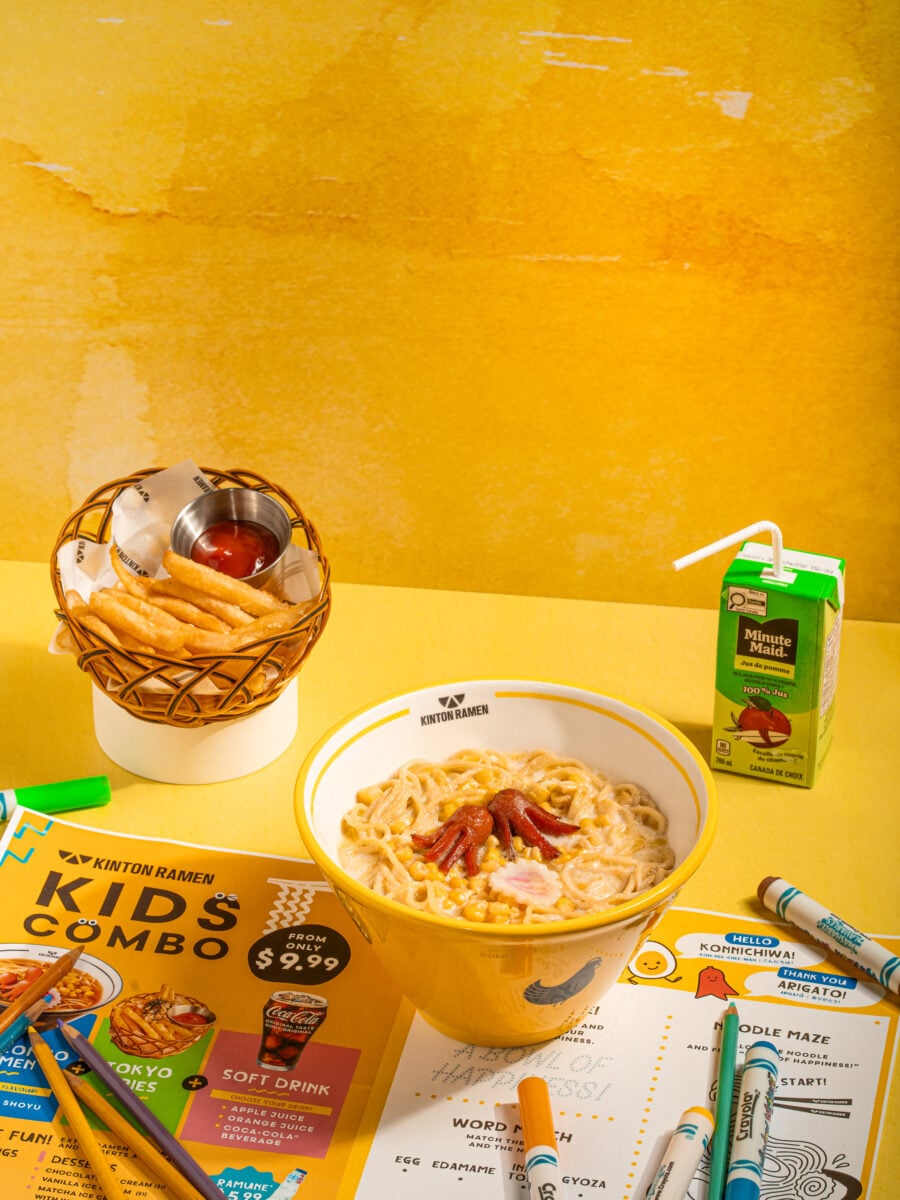
Kildonan Place in Winnipeg is launching a $30-million redevelopment that it says will elevate the shopping experience for the community, including the relocation and creation of a new zero waste food court, a new redesigned mall entrance, the removal of the former theatre space, and bringing new and exciting retailers to the centre. 

This project reflects the centre’s ongoing commitment to offering a welcoming, modern, and community‑focused environment for shoppers and tenants, said the shopping centre.

“Our team is incredibly excited to bring this redevelopment to life for our community,” said Graham Bialek, Regional Manager of Operations, and General Manager at Kildonan Place. “The new food court will be brighter, more spacious, and more welcoming for families and visitors. We’re proud to introduce a zero waste design that reflects our commitment to sustainability, and we look forward to unveiling a space that truly brings people together.”

Kildonan Place has continued to evolve to meet the needs of its shoppers. In 2022, Cineplex relocated to a newly built Cineplex Junxion in the vacated Sears space. In late 2025, Kildonan Place began the food court redevelopment which will include relocation of the food court, creation of a new mall entrance, and the demolition of the former theatre. The project represents an investment of approximately $30 million and will reduce gross leasable area by roughly 30,000 square feet.

Photo: Kildonan Place

The redeveloped food court will offer more variety, more space, and an enhanced dining experience. The number of food units will increase from eight to ten, and seating capacity will grow from 325 to 550 seats. The refreshed food court tenant mix will include both new and returning food vendors, supporting local and national operators. Designed as a zero waste food court, the new space is expected to divert a significant volume of waste from landfill by implementing strategies like composting, recycling, and reducing food and packaged waste. This involves a combination of operational changes such as training staff on food storage and waste tracking, and clearly marked sorting stations for waste and compostables.

Construction preparation is well underway, with hoarding now in place around the former theatre and adjacent retail units. Demolition of the former theatre began on February 9, 2025. The relocated guest services area is scheduled to open in April with a dedicated community event. The new food court is expected to open in early 2027, marking a major milestone in the property’s transformation.

Photo: Kildonan Place

In addition to the redevelopment, Kildonan Place is welcoming Tommy Gun’s Original Barbershop which is anticipated to open later this spring, and the newly relocated Soft Moc which will open in April. 

Kildonan Place looks forward to welcoming shoppers into the revitalized food court as construction progresses and the centre continues to evolve as a community‑gathering destination.

“The food court is beginning to look a little dated. It’s still a high-performing food court. Sales are about $2,700 a square foot with eight retail vendors. It’s undersized—325 seats in the current iteration of the food court. The last time it was renovated was in the early 2000s, so it’s been 20 years,” explained Bialek.

“So it needs a refresh. The numbers say that it’s a good place to invest and maybe even increase the size of the food court, which is what we’re looking to do. We’re going from eight vendors to 10 vendors, a mix of national and local, and increasing the number of seats from 325 to 550. It’s going to be much bigger, brighter, more spacious, more inviting overall for the community and the customers.

“We are pretty much full now. We have one unit that leases specialty leasing and three currently under construction, but the tenants have already taken possession. Other than that, it’s a really full shopping centre—occupancy in the 90s—and anticipating once the new food court and the CRU opens up that we will be 100% leased in 2027. So it’s an exciting time for Kildonan Place.”

Bialek said the neighbourhood around the mall has really been growing since 2011 and expected for 10 or 12% growth over the next decade or so.

“Growing younger population—average age, I think, is 38—and we experience about 5 million visitors a year. So yeah, it’s been good. Deal activity is up, occupancy is high,” he said.

“We are going to keep the food court open. The first kickoff was Dollarama. Dollarama was right next to the existing food court. It was about 8,000 square feet. It moved and doubled in size, so that kind of kicked it off. Where Dollarama is now is going to be the new and improved washrooms. So that’s kind of the first phase of what’s being constructed right now, while the old Cineplex—30,000 square feet approximately of GLA—is being demolished.

Photo: Kildonan Place

“The food court is remaining open throughout construction. Then early in 2027, one night, we’re just going to close the existing food court and open the new one right across from it, where the existing is now.”

Kildonan Place, is northeast Winnipeg’s largest shopping centre. The centre is 50% owned and fully managed by Primaris Real Estate Investment Trust. Initially developed in 1980, the mall is situated on 56 acres and was last renovated in 2021. Approximately eight acres of the site is undeveloped representing a residential intensification opportunity.

Primaris is Canada’s only enclosed shopping centre focused REIT, with ownership interests in leading enclosed shopping centres located in growing Canadian markets. The current portfolio totals 15.2 million square feet, valued at approximately $5.2 billion at Primaris’ share.

More from Retail Insider:
Rendering: Kildonan Place

Canadians plan to drink less alcohol and power up protein in 2026: Square

Photo: Andrea Piacquadio

As Canadians reset after the holidays, many are aiming to build a healthier relationship with alcohol. New consumer survey and transaction insights from tech company Square show that while cutting back remains a popular New Year’s resolution, fully giving up alcohol is far less common. 

According to a national online survey, 1 in 4 Canadians (28%) plan to reduce their alcohol consumption in 2026. And Square data suggests moderation, not abstinence, is the prevailing trend.

At bars and breweries that use Square’s tools and services in Canada, this was evidenced by the fact that while sales of non-alcoholic drinks rose by 4.3% in the first three weeks of January (compared with December), alcoholic beverage sales also climbed 8.6%, suggesting that curiosity about sobriety may be cooling, said the company. 

“Whether those aiming to cut back are successful or not with their resolution, the intention is there for two main reasons: 80% of Canadians said they are making the change to maintain their health while almost half said they are doing so in order to save money,” it said.

Protein Fuels Canadians’ Coffee Shop Orders

Health is a motivation when it comes to café orders as well. While only 16% of respondents plan to cut back on coffee, many are upgrading what they consume, particularly when it comes to their protein intake, said the survey.

According to Square data in Canada, sales of protein-related items at coffee shops rose 35% in the first three weeks of January compared with the same period last year, continuing a multi-year streak of year-over-year growth. This points to a growing appetite for functional, “better-for-you” choices, and gives café operators an opportunity to boost transaction amounts with simple menu switches and add-ons.

Karisa Marra
Karisa Marra

“Canadians are clearly in reset mode, but coffee remains a daily essential,” said Karisa Marra, Head of Sales at Square Canada. “As affordability continues to be top of mind, neighbourhood cafés have an opportunity to add value through functional and wellness-driven offerings to meet a growing shift in customer preferences.”

Pay-to-Work Cafés Face Consumer Resistance

As cafés increasingly double as workspaces, operators face a familiar dilemma: customers nursing a single coffee while occupying tables for hours. This has led some operators to start experimenting with the idea of charging for tables by the hour, said Square.

“But customers aren’t quite on board yet. The survey finds only 12% of Canadians would be willing to pay a café or bakery an hourly fee to work or study there. Among those who would pay, nearly half (47%) would pay $2–$5 per hour, and 66% would pay up to $5 per hour,” it said.

Vancouver Leads Café Wages Nationwide

While operators explore new revenue streams, labour costs remain relatively stable. The average café employee in Canada earns $18.48 per hour, up just $0.23 (1.26%) from last year. Vancouver leads the country with average café wages of $19.37 per hour, followed by Toronto at $18.99. Regina reports the lowest average hourly wage at $15.85, according to the report, adding that regionally, Saskatoon café workers saw the largest year-over-year increase, with wages rising 4%, while Montréal was the only city to see a decline, with wages falling 1% in 2026.

What this means for café owners

“From protein-boosted offerings and evolving pricing strategies to regional wage pressures, café operators are navigating a more complex and competitive landscape in 2026. Cafés are well positioned to meet changing consumer expectations by offering healthier menu options, exploring new income streams, and keeping operations efficient,” said the report.

More from Retail Insider:

Return policies deterring nearly half of shoppers before checkout: Cashew Research

Photo: Gustavo Fring

New research from Cashew Research suggests return policies are influencing purchasing decisions earlier in the buying process, with nearly half of consumers hesitating to complete transactions when return shipping is not free.

The Calgary-based firm said its latest report, Data Drop: The Returns Revolt, is based on a survey of 2,000 consumers across Canada and the United States. The findings indicate that return policies are affecting conversion rates and repeat purchasing behaviour before customers reach checkout.

The report characterizes returns as a factor shaping demand and customer trust, rather than solely a post-purchase operational cost.

“CMOs are optimizing ads and checkout flows while ignoring one of the biggest trust signals in commerce,” said Addy Graves, CEO of Cashew. “Returns don’t just impact margins after the sale. They determine whether the sale happens at all.”

Addy Graves
Addy Graves

According to the survey, 47 per cent of consumers say they hesitate to purchase when return shipping is not free. The report states that this hesitation can reduce repeat purchases and long-term loyalty.

Cashew’s findings suggest return policies can influence whether a customer proceeds with a transaction, regardless of product category or price.

The survey also found that one in four purchases fails because products do not meet expectations. In apparel specifically, 74 per cent of returns are attributed to fit.

The report indicates that static size charts and generic product visuals may no longer meet shopper expectations, with consumers seeking more detailed sizing guidance before completing purchases. More than half of respondents said they would not complete a purchase without detailed sizing visuals or guidance.

In addition, 35 per cent of shoppers reported adding items to their cart with the expectation that they would return them.

The data challenges assumptions about which demographic groups drive return rates. Cashew found that shoppers over the age of 45 account for more than half of all returns, with consumers aged 65 and older representing the largest segment.

“High return rates aren’t about bad customers,” Graves says. “They’re signals that experiences weren’t designed for the people driving the most revenue.”

The report suggests that return-related friction and product fit concerns may disproportionately affect older consumers.

Cashew’s report frames returns strategy as directly connected to revenue growth and customer retention. It states that brands that reduce friction in the returns process, invest in improved sizing guidance and design experiences for multi-generational shoppers can influence conversion and long-term loyalty.

Cashew Research describes itself as a market research solution that delivers real-time data collected from consumers to help brands understand purchasing behaviour and inform product and strategy decisions.

Returns can drive conversions and revenue

Graves said retailers are underestimating the role returns play in driving conversions and revenue.

“In our study, 47% of shoppers said return policies directly influence whether they complete a purchase at all. We don’t see this as a post- purchase operational issue, we see this as a conversion driver,” she said.

“What this tells us is that returns aren’t just a cost centre. They function as a trust signal as well. When policies are clear, flexible, and low- friction, shoppers feel more confident about clicking “buy.”

“Retailers who frame returns purely as a margin problem may be overlooking the revenue impact on the front end of the funnel.”

Some comments from consumers:

“Spent 40 minutes on chat only to be told I needed to call instead – then waited another 30 minutes on hold.”

“Had to dig through fine print to find out electronics have different return rules – not mentioned during checkout.”

Photo: Tom Tillhub
Photo: Tom Tillhub

Retailers need to make returns efficient but not punitive

When shoppers can’t try before they buy, they hedge their bets. Over a third reported adding items to their cart with the expectation that they may return at least one item. They are doing this to reduce risks, said Graves.

The implication, she explained, for retailers is:

● First, invest in tools that reduce uncertainty upfront (better sizing guidance, reviews, fit visualization, AR, etc.).

● Second, make returns efficient but not punitive.

“The brands that win aren’t eliminating returns altogether, they’re reducing unnecessary returns while maintaining trust.

“In our data, shoppers 45+ accounted for half of total returns, with 65+ over-indexing relative to their share of purchases,” said Graves.

“There are a few likely drivers:

● Greater purchasing power and frequency

● Lower tolerance for product mismatch

● Less comfort with ambiguous sizing or product descriptions

● A stronger expectation of customer service

“This demographic also tends to value clarity and fairness. For retailers, that means policies must be extremely transparent and easy to navigate, especially offline or via assisted channels.

“Ironically, tightening return policies in a way that feels restrictive could disproportionately alienate a high-value customer segment.”

With retailers under margin pressure, many are tightening return policies. Could that strategy backfire?

“It depends how it’s done, but yes, there’s real risk,” said Graves. “When we asked shoppers how they would respond to stricter return policies (e.g., shorter windows, restocking fees, paid returns), 69% said they avoid brands with restrictive return policies. Returns may be expensive, but lost customers are more expensive.

“The data suggests the smarter strategy here is segmentation:

● Identify serial returners vs. occasional returners

● Personalize policies based on behaviour

● Improve product accuracy to prevent returns in the first place

“Cutting flexibility across the board may protect short-term margins but it could erode lifetime value.”

What outdated return policies look like

She outlined what an outdated return policy looks lie in 2026:

● Hidden fees or unclear conditions

● Short return windows without justification

● Store credit only without clear communication

● Friction-heavy processes that require printing, forms, or long wait times

Leading brands, added Graves, are doing the opposite:

● Offering transparent, easy-to-understand policies

● Integrating digital tracking and seamless return portals

● Using data to proactively reduce return risk (fit tools, AI sizing, better product content)

● Viewing returns as part of the overall customer experience, not just a logistics headache

“The shift we’re seeing is that returns are becoming a strategic lever to stand out, build trust and keep customers over time.”

More from Retail Insider:
Canadian small business owners lose 31 working days a year to stress: Xero report

Photo: Amina Filkins

Canadian small business owners are losing the equivalent of 31 working days a year to stress, according to a new report released by Xero.

The company’s Emotional Tax Return report found owners spend an average of nine hours a week feeling stressed, concerned or worried about their business, with financial management cited as a key pressure point.

The findings point to what the company describes as an “Emotional Tax” — the personal and business toll associated with running a small enterprise. More than three-quarters of respondents, or 77 per cent, said financial management causes stress, and 39 per cent said they have considered giving up their businesses entirely.

Personal toll of the “Emotional Tax”

The report outlines several personal impacts tied to business-related stress.

More than half of small business owners, 52 per cent, said they get less sleep since starting their business, with 23 per cent reporting they lose five or more hours of sleep a night.

Stress has also led owners to scale back personal activities. About 32 per cent reported giving up exercise, 30 per cent reduced travel and 26 per cent spent less quality time with their partners. Some respondents said they miss family dinners (15 per cent), birthday parties (12 per cent) and weddings (7 per cent).

Forty per cent said they have kept business stress from their family or partner, while 36 per cent reported being more short-tempered with others when stressed.

Business consequences

Beyond the personal impact, the report links stress to operational challenges.

One-third of respondents, 33 per cent, reported slower decision-making as a result of stress. Others cited missed opportunities (29 per cent), slower business growth (22 per cent) and avoidable mistakes (21 per cent), including financial errors.

Ashalee Mohamed
Ashalee Mohamed

“The Emotional Tax small business owners pay clearly takes a heavy personal toll, and when it consumes nearly a month of productivity, it also becomes a bottom-line crisis. Unfortunately, too many owners are trying to navigate this pressure in isolation,” said Ashalee Mohamed, Head of Canada GTM at Xero.

“Leaning into digital tools and trusted advisors is the key to closing this gap, protecting business health and reclaiming their quality of life. By reducing business admin, enabling accounting automation and streamlining collaboration with advisors, Xero can help small business owners improve confidence in financial accuracy and reclaim the emotional tax.”

The advisor gap

The report suggests external factors such as rising costs, unpredictable demand and geopolitical uncertainty have added to pressures on business owners. Ninety per cent of respondents said they are concerned about the upcoming fiscal year.

While 77 per cent identified financial management as a source of stress, only 10 per cent said they seek advice from an advisor when they feel pressure.

The data also indicates that 53 per cent of owners have been surprised by a tax outcome. At the same time, stress appears to contribute to delays in financial management tasks. Eleven per cent of respondents said they would prefer to go to the dentist for a root canal than tackle their taxes.

Chasing paperwork was cited as a source of stress by 34 per cent of respondents, while 28 per cent pointed to fear of making a mistake. Nearly 29 per cent reported procrastinating on financial management tasks due to stress.

Despite the findings, 92 per cent of small business owners said they are taking steps to manage stress. More than half, 52 per cent, turn to self-care, while 44 per cent exercise and 41 per cent spend time with friends and family.

Xero is a global small business platform providing accounting, payroll and payments tools to small businesses and their advisors.

More from Retail Insider:

Adonis rolls out Ramadan promotions and catering menu in Quebec and Ontario stores

Photo: Adonis
Photo: Adonis

Adonis Mediterranean Market says it is introducing special offers and a dedicated catering menu across its Quebec and Ontario stores ahead of Ramadan, a period the company describes as its busiest time of year.

The specialty grocer says the initiative includes a catering menu, an expanded selection of imported products and a range of in-store prepared foods tied to Mediterranean and Middle Eastern culinary traditions.

Ramadan accounts for a significant share of seasonal sales for the retailer. The company says 33 per cent of its annual dates sales occur during the six weeks of Ramadan, with dates considered a staple during the holy month.

“Ramadan is important for many Canadians, a time of sharing, family and solidarity,” said Layla-Vanessa Fadous, Marketing Director at Adonis. “We are pleased to offer quality products for people to enjoy with their loved ones and celebrate the rich culinary traditions of this special time.”

Layla-Vanessa Fadous

Seasonal demand drives expanded offering

The Montreal-based chain says it sees a strong increase in demand for traditional meals and specialty products during Ramadan, prompting it to expand its assortment and prepared food offerings during the period.

According to the company, stores will feature a specially designed catering menu that includes traditional dishes, grilled items, side dishes and desserts available in store. It is also expanding its range of imported products and in-house prepared foods, including pita breads, hummus, basturma meat, fresh salads and marinades prepared daily.

The company positions its in-store prepared items as central to its operations, with recipes developed internally and products made on site.

Photo: Adonis
Photo: Adonis

Focus on in-house production

Éric Provost, Vice President and General Manager of Adonis, said the retailer’s in-store preparation model is key to its relationship with customers.

“Our teams take special care to reproduce the flavours that are an integral part of these culinary traditions,” said Provost. “Developed over many years, this knowledge is central to the relationship we maintain with our customers. Among our most popular products is basturma, a specialty meat typically consumed during Ramadan, which we produce entirely in-house. Each year, more than 10 kilograms are prepared locally by our teams, which illustrates our commitment to craftsmanship, freshness and local production.”

Adonis says its homemade products are prepared in store using established methods and recipes developed by the company, with an emphasis on ingredient selection and freshness.

Company background

Established in 1979, Adonis operates as a specialty grocery chain offering products inspired by Middle Eastern and Mediterranean cuisines. The company has stores in Quebec and Ontario and has been part of the METRO Group since 2017.

More from Retail Insider: